Why Meaning Matters: The Shift from Logomania to Symbolic Fashion in 2026

Why Meaning Matters: The Shift from Logomania to Symbolic Fashion in 2026
For almost two decades, streetwear had a very simple language, and it only said one thing: money. Bigger logo, bigger flex. Fashion became less about what you believed and more about what you could afford, hype drops, resale culture, a monogram doing all the talking so you didn't have to. It worked, for a while. And then, somewhere in the last few years, without a single press release announcing it, the whole conversation quietly changed.
Walk through any street style feed in 2026 and you'll notice something: the pieces getting the most attention aren't the loudest logos anymore. They're the ones with the most meaning. Evil eyes. Sacred geometry. Third eyes. Ancient folk talismans, were reborn on oversized tees and hoodies. Symbols that have existed for centuries, suddenly everywhere, on a generation that grew up online, grew up skeptical, and grew up allergic to anything that felt manufactured.
This isn't a random aesthetic swing. It's a direct reflection of what an entire generation is craving that logos simply can't give them: substance. Gen Z didn't inherit the same relationship with status symbols that previous generations had. They grew up watching influencer culture manufacture hype in real time, watched brands get built and exposed within the same news cycle, and developed something close to an instinct for spotting anything hollow. A big logo doesn't impress that instinct. A genuine story does.
And symbolism is a story. An evil eye print isn't just a pattern, it's five thousand years of cultural belief compressed into a design. A third eye isn't decoration, it's a reference to awareness, intuition, protection, something you can actually explain if someone asks you about it. That's the entire shift in one sentence: fashion stopped being about what you own and started being about what you can say about what you're wearing.
There's a second force at play here too, wellness culture crashing headfirst into streetwear. This is the same generation manifesting on TikTok, reading tarot on their lunch break, protecting their peace, tracking their energy. It was only a matter of time before that mindset wanted to be worn, not just practiced. Spiritual and symbolic streetwear is wellness culture's most natural fashion extension, and it's why a garment built around meaning now genuinely outperforms one built around a mascot.
There's also something distinctly homegrown happening here, especially in India. For a long time, "cool" fashion meant importing someone else's culture, international logos, borrowed silhouettes, references to places most buyers had never even been. That's flipped. There's a real hunger now for design rooted in our own folklore, nazar, nimbu-mirchi, ancestral protection symbols worn not out of nostalgia, but pride.
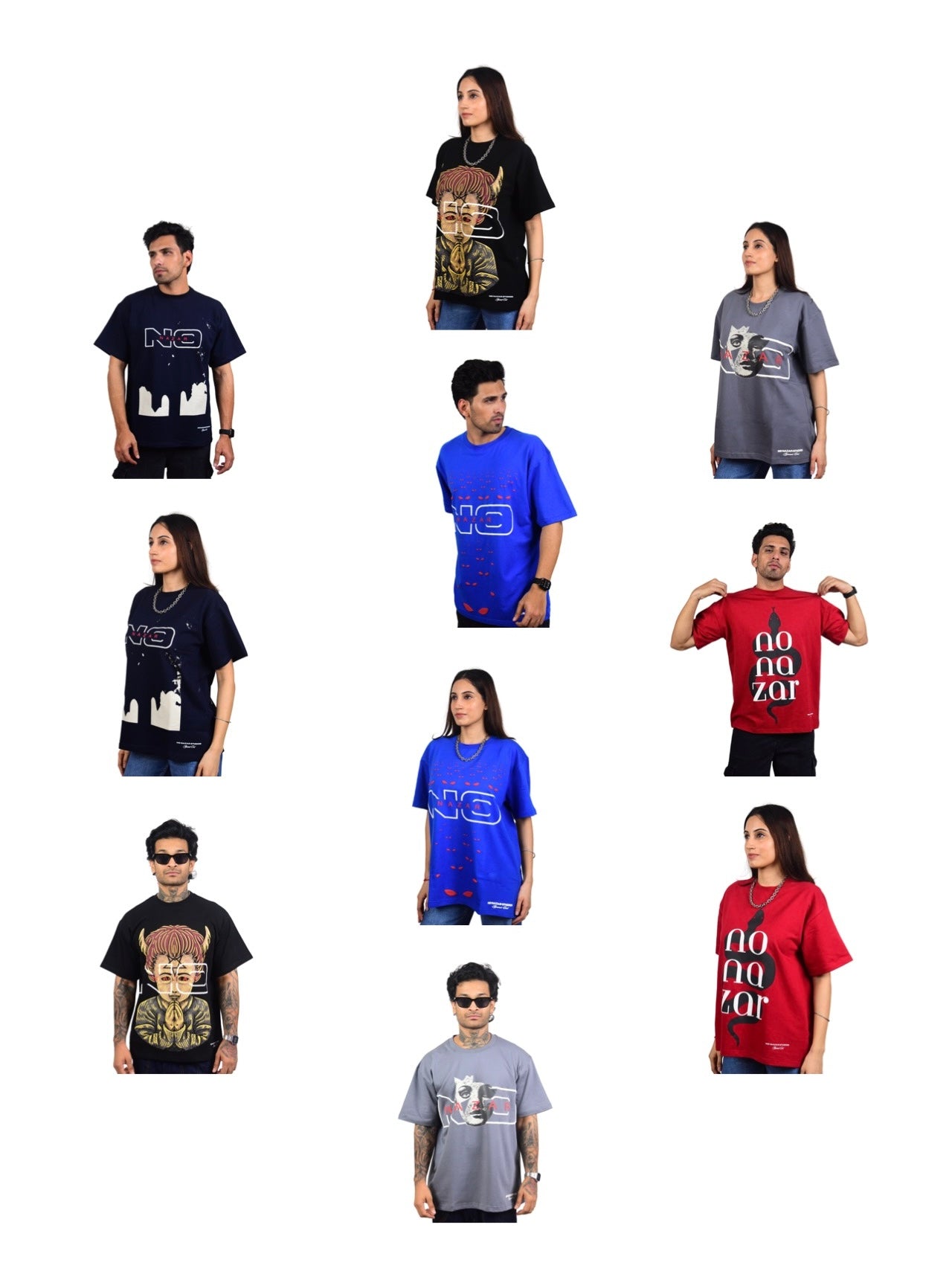
This is the exact philosophy No Nazar was built on, long before "spiritual streetwear" became a trend piece. When we designed The Archangel Tee, The Medusa Tee, The Faith vs Fear Tee, The Pure Soul Tee, the intention was never "put a cool symbol on cotton." It was: build something that means what you feel, not just something that looks like what's trending. Every piece is 100% pure cotton, unisex by design, made in India, and rooted in belief systems old enough to have actually earned their meaning, not manufactured overnight.
If the next era of fashion belongs to brands that stand for something real instead of brands that simply cost a lot, we'd argue we didn't follow that shift, we were built for it from day one.
Wear the meaning, not just the moment → nonazar.in/collections/all-products